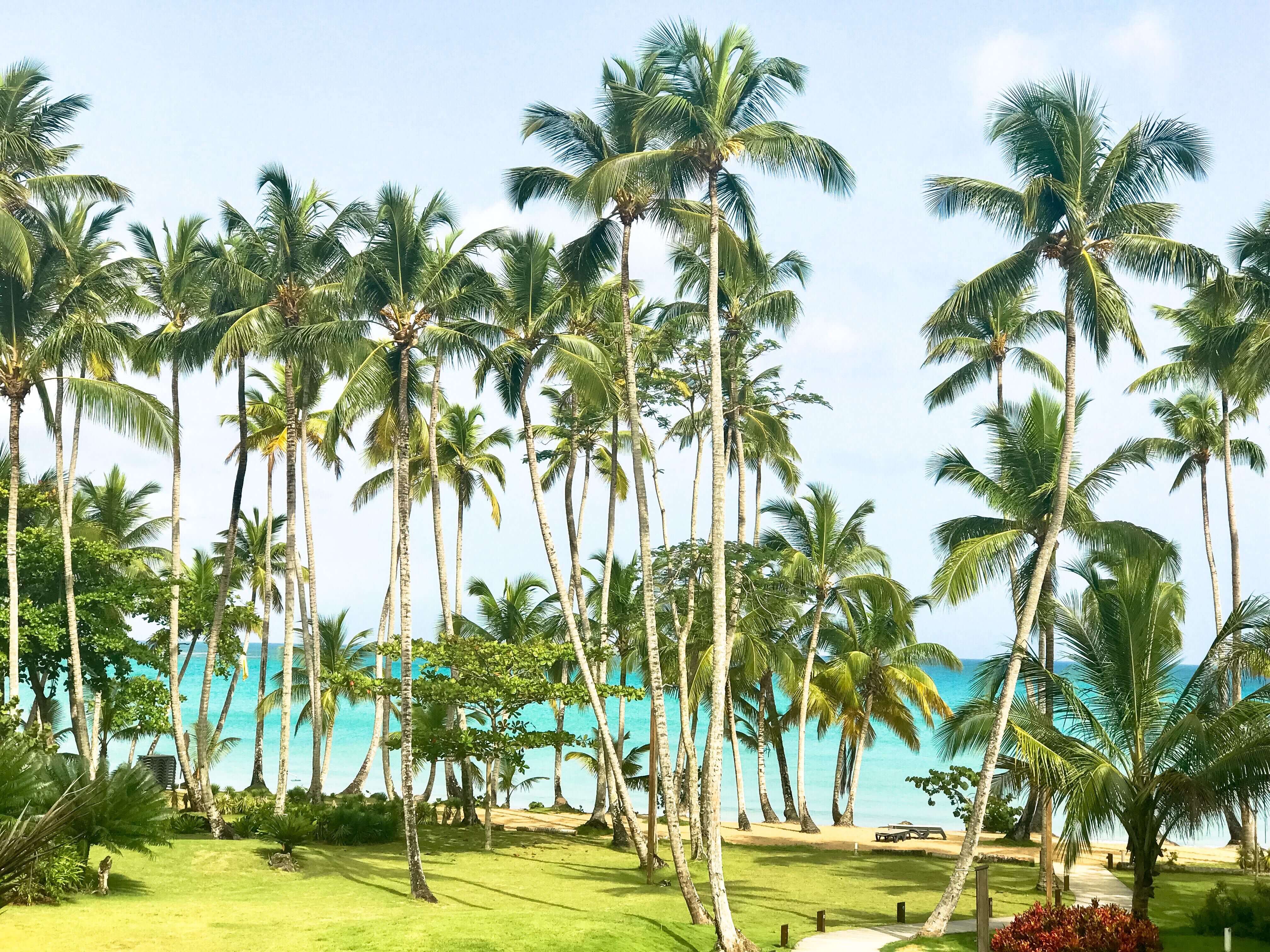
Discover the very best of holidaying in spain with this detailed guide covering attractions, tips and insider knowledge.
Spain is Europe’s most consistently popular holiday destination for good reason. It combines guaranteed summer sunshine, extraordinary regional diversity, world-class food and wine, easy flight connections from across the continent, and a relaxed pace of life that makes switching off effortless. Whether you want two weeks on a Balearic beach, a city break in Barcelona, a road trip through Andalusia, or a walking holiday in the Pyrenees, Spain delivers — often at better value than comparable destinations elsewhere in Europe.

Holidaying In Spain: Spain’s Top Holiday Regions — A Quick Guide
Spain is not one destination but several. The regional differences in culture, cuisine, landscape, and pace are significant enough that choosing the right region is the most important decision in planning your Spanish holiday.
| Region | Known For | Best Base | Best Time to Visit |
|---|---|---|---|
| Catalonia | Barcelona, Costa Brava, Dalí museums | Barcelona | April–June, September–October |
| Andalusia | Seville, Granada, Córdoba, Costa del Sol | Seville or Málaga | March–May, September–November |
| Balearic Islands | Mallorca, Ibiza, Menorca — beaches and nightlife | Palma, Ibiza Town | May–October |
| Canary Islands | Year-round sun, volcanic landscapes, surfing | Las Palmas, Santa Cruz | Year-round |
| Basque Country | San Sebastián, pintxos, Bilbao and the Guggenheim | San Sebastián | June–September |
| Valencia | Paella, beaches, City of Arts and Sciences | Valencia city | March–June, September–October |
Barcelona, Madrid and Spain’s City Breaks
Barcelona and Madrid are two of Europe’s great capital cities, and both reward repeat visits. Barcelona’s draw is the Modernista architecture — Gaudí’s Sagrada Família and Park Güell, Domènech i Montaner’s Palau de la Música — combined with a beach, a world-class food scene, and a port neighbourhood that comes alive at night. Madrid is a more traditional capital: the Prado, Reina Sofía, and Thyssen-Bornemisza museums form an extraordinary Golden Triangle of art, while the Retiro park and the tapas bars of La Latina give the city its lived-in character.
Beyond the two capitals, Seville is arguably Spain’s most atmospheric city — the old barrio of Santa Cruz, the Alcázar palace, and the evening tapas culture around the cathedral are all exceptional. San Sebastián in the Basque Country has more Michelin stars per square kilometre than almost any city in the world, making it the obvious destination for a food-focused city break.
Coastal Spain — Beyond the Costas
The Costas — del Sol, Blanca, Brava, Dorada — are Spain’s most established beach areas, and while they can feel overbuilt in peak season, they offer reliable infrastructure and easy access for families. The Balearic Islands are the premium choice for beach holidays: Menorca’s protected coves in the north are among the Mediterranean’s finest, Mallorca’s northwest coast around Sóller and Deià combines dramatic mountain scenery with hidden beaches, and Ibiza’s southern and western coast has world-class beaches beyond the nightlife reputation.
For something wilder, the Atlantic coast of Galicia in the northwest is utterly different to the Mediterranean: dramatic rias (drowned river valleys), green hills, the pilgrimage city of Santiago de Compostela, and a seafood culture — particularly pulpo (octopus) and percebes (barnacles) — that rivals anything elsewhere in Europe.
Getting the Most From Your Spain Holiday
Spain’s siesta culture is real but increasingly variable by region — shops and restaurants in tourist areas now maintain more continuous hours. What remains consistent is the late dining culture: restaurants don’t fill up before 9pm, and eating at 10pm or later is entirely normal. Embrace it — the evening paseo (walk), aperitivo, and late dinner are central to why holidaying in Spain feels so different from northern Europe.
High-speed rail (AVE) connects Madrid to Barcelona (2.5 hours), Seville (2.5 hours), Valencia (1.5 hours), and Málaga (2.5 hours) with remarkable efficiency. For touring Andalusia or the north coast, renting a car unlocks villages and landscapes that no tour bus reaches. Spain rewards travellers who venture beyond the obvious, and the country’s infrastructure makes doing so easier than almost anywhere else in southern Europe.
Further Reading
Table of Contents
- Deluxe Catered Chalets
- Trip to the Maldives
- Luxury Holidays In Andorra
- Lonely Planet Travel Guides
- TripAdvisor Reviews
Holidaying In Spain — Final Thoughts
Holidaying in spain continues to attract visitors from around the world, and it is easy to understand why. Whether you are exploring holidaying in spain for the first time or returning for another visit, there is always something new to discover. The best approach to holidaying in spain is to plan ahead, stay flexible, and embrace every opportunity. If you are serious about making the most of holidaying in spain, this guide has everything you need to get started.